Subterranean Termites
Reticulitermes / Coptotermes spp.
The most destructive termite in North America — hidden and relentless.
The most destructive termite in the US. Nests underground and travels through mud tubes to reach wood above ground.
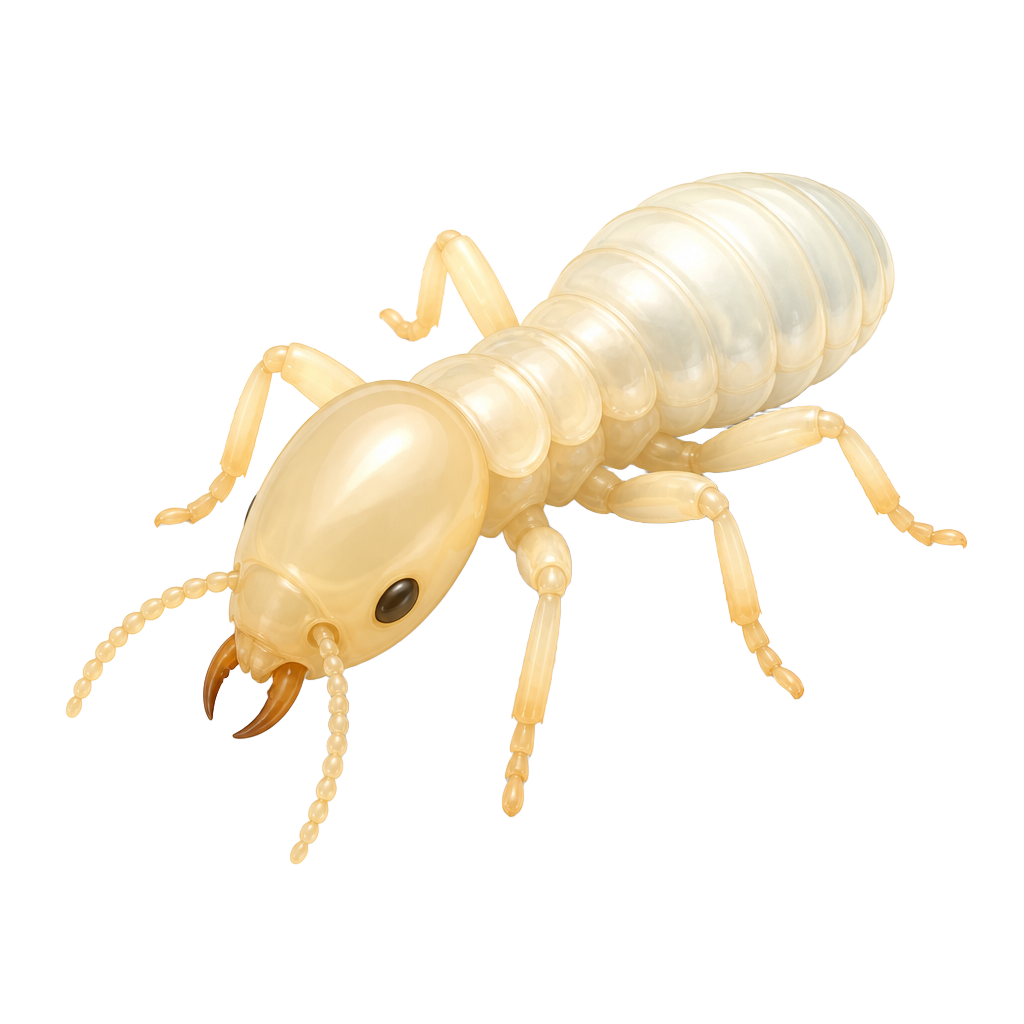
At a glance
- Category
- insect
- Seasonal activity
- Swarms in spring after warm rains.
- Life cycle
- Mature colonies contain hundreds of thousands to millions of workers.
- Common locations
- Foundations · Crawlspaces · Slab expansion joints
- Also known as
- ground termites, Formosan termites
Entity relationships
Parent entity
Related entities
Key attributes
Risk profile
A quick read on how this pest scores across the four factors that matter most.
- Health risk
- None
- Property damage
- High
- Spread potential
- High
- Treatment difficulty
- High
Seasonal activity
When this pest is most active across the calendar year.
Identification & habitat
Confirm what you're dealing with before choosing a treatment path.
How to identify
- Pencil-width mud tubes on foundations and piers
- Cream-colored soft workers
- Dark winged swarmers in spring
Where they live
- Soil under and around foundations
- Crawlspaces
- Slab expansion joints
- Landscape mulch
Signs of infestation
- Mud tubes on foundation
- Spring swarmers with equal wings
- Blistered floors
Behavior
- Never expose themselves to open air
- Establish satellite feeding sites
- Aggressive Formosan supercolonies
Reproduction
Colonies mature in 3–5 years; multiple queens in Formosan colonies.
Life cycle timeline
Every treatment plan must reach every stage — miss one, and the population rebuilds.
- Stage 126 days
Egg
Laid year-round in central nursery.
- Stage 21–2 years
Worker
Cream-colored; does all foraging and damage.
- Stage 31–2 years
Soldier
Dark mandibles for colony defense.
- Stage 4Up to 25 years
Reproductive
King and queen; alates leave in spring swarms.
Property damage
- Aggressive structural damage
- Formosan colonies destroy wood in 3–6 months
Inspection checklist
- Every 3 ft of foundation, probe for mud tubes
- Crawlspace: inspect piers, sills, subfloor
- Look for wings near light fixtures after rain
- Check garages, expansion joints, and plumbing penetrations
Professional treatment
The proven, licensed protocol our specialists use in the field.
- 1
Comprehensive inspection
Graph activity, moisture, and conducive conditions.
- 2
Sentricon® AlwaysActive™ bait
In-ground stations with continuously active bait; eliminates colonies.
- 3
Termidor® liquid trench-and-treat
Non-repellent chemistry along foundation delivers colony effect.
- 4
Annual monitoring + renewable warranty
Reinspect stations and repair breaches.
You can handle
- Correct wood-to-soil contact
- Direct downspouts away from foundation
- Schedule annual professional inspection
Get professional help
- All active infestations and preventative programs
What changes the price
- Linear foundation
- Formosan vs. native
- Interior mud tube treatments
- Slab penetrations
Prevention
Small habits keep subterranean termites from coming back after treatment.
Prevent subterranean termites
- Install termite bait stations
- Divert water away from foundation
- Eliminate soil-to-wood contact
Common myths
Bad advice makes infestations worse — here's the truth.
Foam insulation prevents termites.
Termites tunnel through foam and can hide activity behind it.
Frequently asked
Answers to the questions homeowners ask most about subterranean termites.
How do I know if I have Formosan termites?
Look for cardboard-like carton nests in wall voids, huge spring swarms, and rapid structural damage.
Can I skip a warranty renewal?
Lapsed warranties mean paying for the next treatment and losing damage coverage — renew annually.
Call a pro immediately if…
- Mud tubes on any foundation surface
- Winged swarmers indoors
- Sagging or spongy floors
Answer your next question
Related Services
Related Costs
Related Calculators
Related Locations
Related Questions
Ready when you are
Deal with subterranean termites the right way
Get a licensed pest specialist to handle it — often same-day, with a satisfaction guarantee.