Bed Bugs
Cimex lectularius
A microscopic hitchhiker with a global comeback.
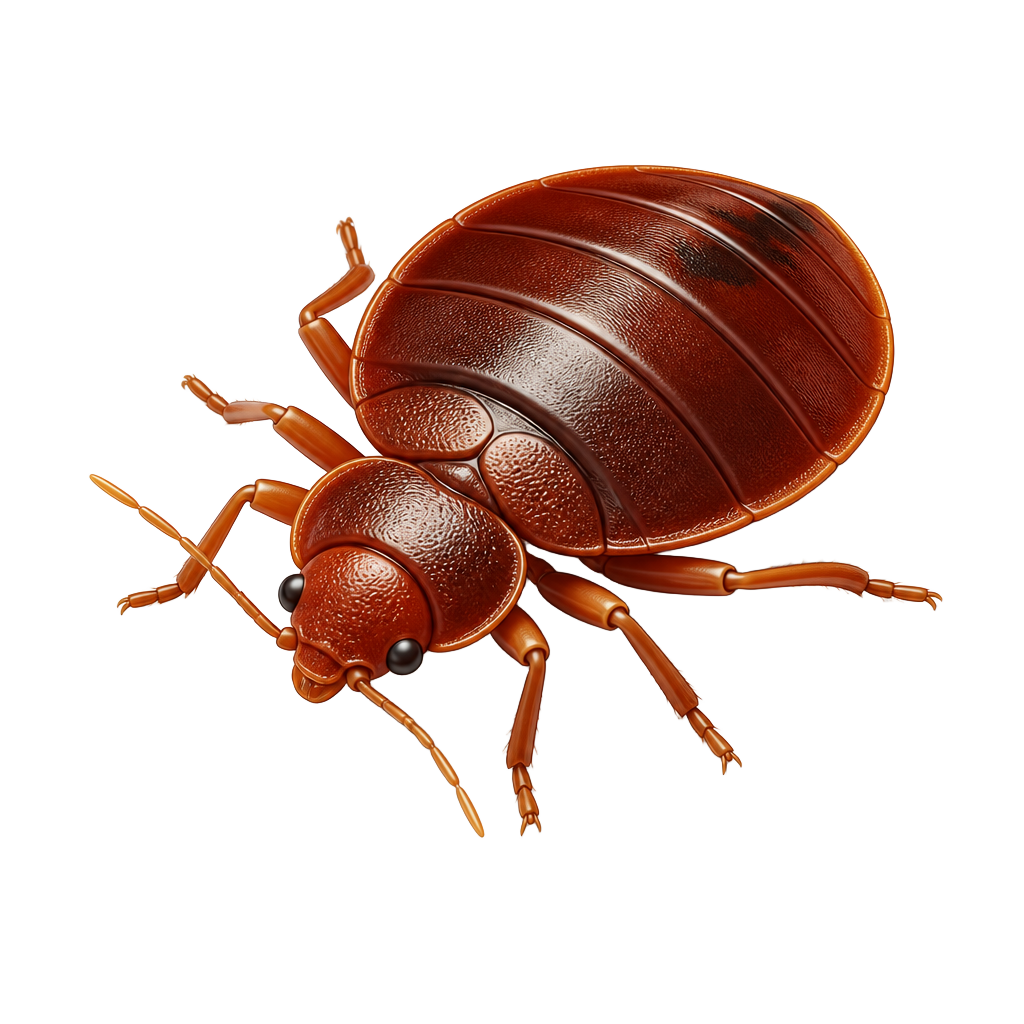
Small, flat, reddish-brown insects that feed on human blood, usually at night. Bed bugs hide in mattress seams, headboards, and baseboards.
At a glance
- Category
- insect
- Seasonal activity
- Year-round indoors; introduced through travel and used furniture.
- Life cycle
- Egg → 5 nymph stages → adult. Females lay 200–500 eggs in a lifetime.
- Common locations
- Mattress seams · Box springs · Headboards · Baseboards · Nightstands
- Also known as
- bedbugs
Entity relationships
Parent entity
Related entities
Key attributes
Risk profile
A quick read on how this pest scores across the four factors that matter most.
- Health risk
- Moderate
- Property damage
- None
- Spread potential
- High
- Treatment difficulty
- High
Seasonal activity
When this pest is most active across the calendar year.
Identification & habitat
Confirm what you're dealing with before choosing a treatment path.
How to identify
- Rusty-red, flat oval body when unfed; balloon-like after feeding
- Rust-colored spotting along mattress seams
- Sweet musty odor in heavy infestations
Where they live
- Mattress seams
- Box springs
- Headboards
- Baseboards and outlets
- Upholstered furniture
Signs of infestation
- Small blood spots on sheets
- Dark fecal specks along seams
- Sweet, musty odor
- Shed skins near hiding places
Behavior
- Feed for 3–10 minutes then retreat to harborage
- Attracted to CO₂ and body heat
- Cluster near sleeping hosts
Reproduction
Females lay 1–5 eggs daily; eggs hatch in 6–10 days.
US distribution
Every US state; most reported in dense urban centers.
Life cycle timeline
Every treatment plan must reach every stage — miss one, and the population rebuilds.
- Stage 16–10 days
Egg
Pearl-white, glued into cracks.
- Stage 25–8 weeks total
Nymph (5 stages)
Each stage requires a blood meal to molt.
- Stage 34–12 months
Adult
Reproduces continuously if hosts and warmth are available.
Health risks
- Itchy welts and skin irritation
- Insomnia and anxiety
- Secondary infections from scratching
Inspection checklist
- Peel mattress and box-spring seams under strong light
- Inspect headboard hardware and cracks
- Pull baseboards near bed and check outlet plates
- Check picture frames and nightstand joints
Professional treatment
The proven, licensed protocol our specialists use in the field.
- 1
K9 or visual confirmation
Verify infestation and identify hot zones.
- 2
Whole-room heat treatment
120°F+ sustained for several hours kills all life stages.
- 3
Residual chemical band
Non-repellent perimeter and void treatments as insurance.
- 4
Follow-up in 14 days
Confirm no live activity; re-treat hot spots if needed.
You can handle
- Encase mattress and box spring
- Wash and 60-minute high-heat dry travel clothing
- Vacuum luggage after trips
Get professional help
- Any confirmed infestation — DIY treatments almost universally fail
What changes the price
- Number of rooms
- Heat vs. chemical protocol
- Furniture volume
- Multi-unit connectivity
Prevention
Small habits keep bed bugs from coming back after treatment.
Prevent bed bugs
- Inspect hotel rooms and used furniture
- Use mattress and box-spring encasements
- Vacuum luggage after travel
- Wash and dry travel clothing on high heat
Commonly confused with
Quick tells to separate bed bugs from lookalikes.
vs. Fleas
Fleas jump and prefer pets; bed bugs crawl and prefer humans in bed.
vs. Carpet beetles
Beetles have hard rounded bodies and feed on fabric — not blood.
Common myths
Bad advice makes infestations worse — here's the truth.
Bed bugs jump like fleas.
They can't jump or fly — they crawl and hitchhike.
They only live in dirty homes.
Bed bugs infest five-star hotels, hospitals, and new construction alike.
Frequently asked
Answers to the questions homeowners ask most about bed bugs.
How did they get in my home?
Almost always brought in on luggage, secondhand furniture, or clothing from an infested location.
Can I DIY treatment?
The failure rate on DIY bed bug treatment is over 90% — pesticide resistance and hidden eggs make professional heat or IPM protocols essential.
Do bed bugs spread disease?
No confirmed pathogen transmission, but bites cause significant psychological stress and secondary infections.
Call a pro immediately if…
- Live bug sighting
- Bites in a line across arms or legs
- Rust-colored spotting on sheets
Answer your next question
Related Services
Related Costs
Related Calculators
Related Locations
Related Questions
Ready when you are
Deal with bed bugs the right way
Get a licensed pest specialist to handle it — often same-day, with a satisfaction guarantee.